

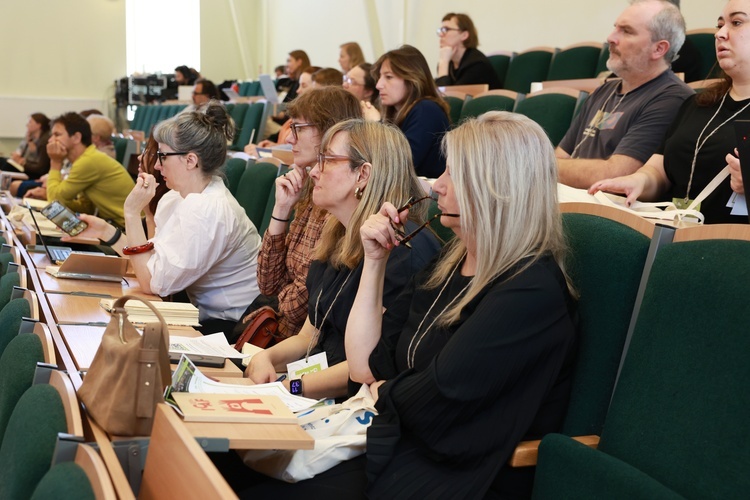
Researchers, practitioners and policymakers from 28 countries gather in Latvia to explore the transformative role of culture beyond major cities
Over three days, from 11 to 13 May, the proudly self-titled “micro-city” hosted the international conference Culture Matters Here: Cultivating Creative Place-based Innovation in Non-urban Communities. Researchers, cultural practitioners, artists, policymakers and community leaders gathered to explore how culture and creativity can drive innovation and sustainable development in non-urban areas across Europe and beyond.
Organised by the Latvian Academy of Culture and the Centre for Social Studies of the University of Coimbra, in collaboration with Culture Action Europe, the European Network of Cultural Centres, and local hosts Valmiera County Municipality and Vidzeme University of Applied Sciences, the conference marked the culmination of the project IN SITU: Place-based Innovation of Cultural and Creative Industries in Non-urban Areas, funded by the European Union’s Horizon Europe programme.
The conference featured more than 40 research presentations and case studies presented across parallel thematic sessions. From policy and planning frameworks to community knowledge and heritage stewardship, bioregional innovation, craft and music traditions, culture-and-health collaborations, resilience in the creative industries, digital creativity, gamification and rural innovation, Valmiera became the beating heart of a growing international conversation.
The keynote speech, delivered by Susan Luckman, framed discussions around the evolving role of creativity in peripheral contexts. Contributions from invited speakers Timothy Wojan and Jude Ortiz added further international perspectives on innovation and creativity beyond urban centres.
Plenary sessions brought together key research findings while looking ahead to future directions for culture- and creativity-driven development in non-urban territories. Discussions explored how cultural and creative practices foster community resilience, support place-based innovation and inform policy frameworks for sustainable creative ecosystems.
Participants also reflected on emerging models of collaboration and on the ways cultural initiatives can strengthen both the social and economic vitality of communities outside major cities.
But not everything happened between the walls of the conference venue.
The Latvian hosts curated a culturally rich programme of activities, from study visits to remarkable sites across the city to concerts, generous dinners and even a workshop on traditional Latvian dances. The conference unfolded not only through presentations and panel discussions, but also through movement, music, conversation and shared experiences.
The gathering came to an end on a rainy Wednesday afternoon, with the master of ceremonies joking that the weather itself seemed saddened by the conference’s conclusion.
The participants from 28 countries returned home carrying bags full of memories, inspiring conversations and newly forged connections. Yet somewhere between airports, train stations and long journeys home (before diving back into the frenetic, time-compressed, productivity-driven rhythms of modern life) there was also time to reflect.
On the remarkable capacity of the cultural and creative sectors to weave connections with other fields and communities. On the importance of social and institutional innovation in people’s everyday lives, challenging the idea that innovation is purely technological or always tied to the new. And, above all, on the enduring importance of culture itself.
In Valmiera, in Europe, and everywhere else: culture matters.