One Year of the ACE²-EU SPACE Centre: Celebrating accomplishments & looking ahead
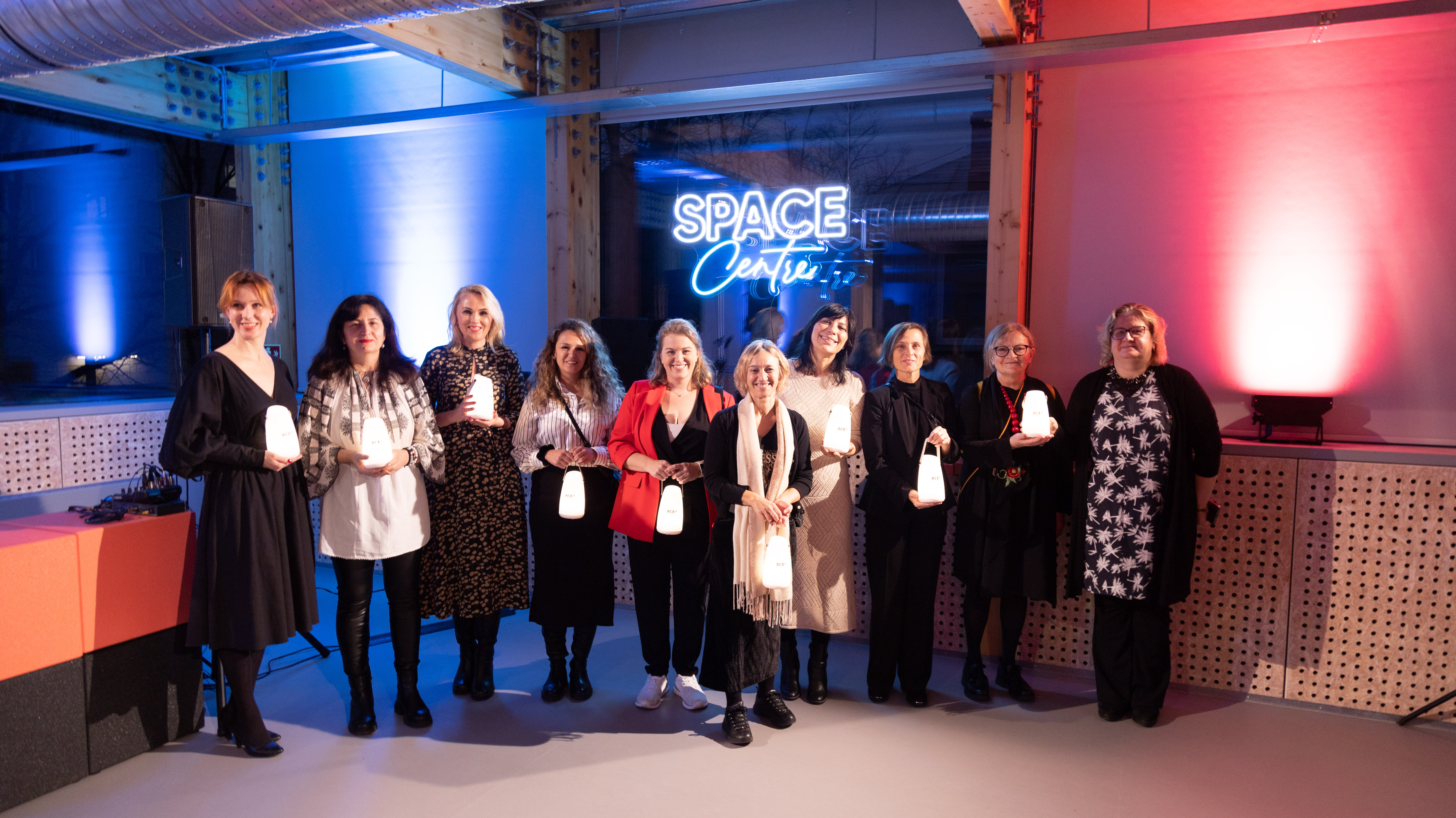
Exactly one year ago, on 20 January 2025, the ACE²-EU Societal Partnerships and Cultural Engagement (SPACE) Centre was officially launched during a celebratory evening in Riga, Latvia, hosted by the Latvian Academy of Culture (LAC), the SPACE Centre’s leader. The SPACE Centre team is proud of the progress made since then.
What is the SPACE Centre?
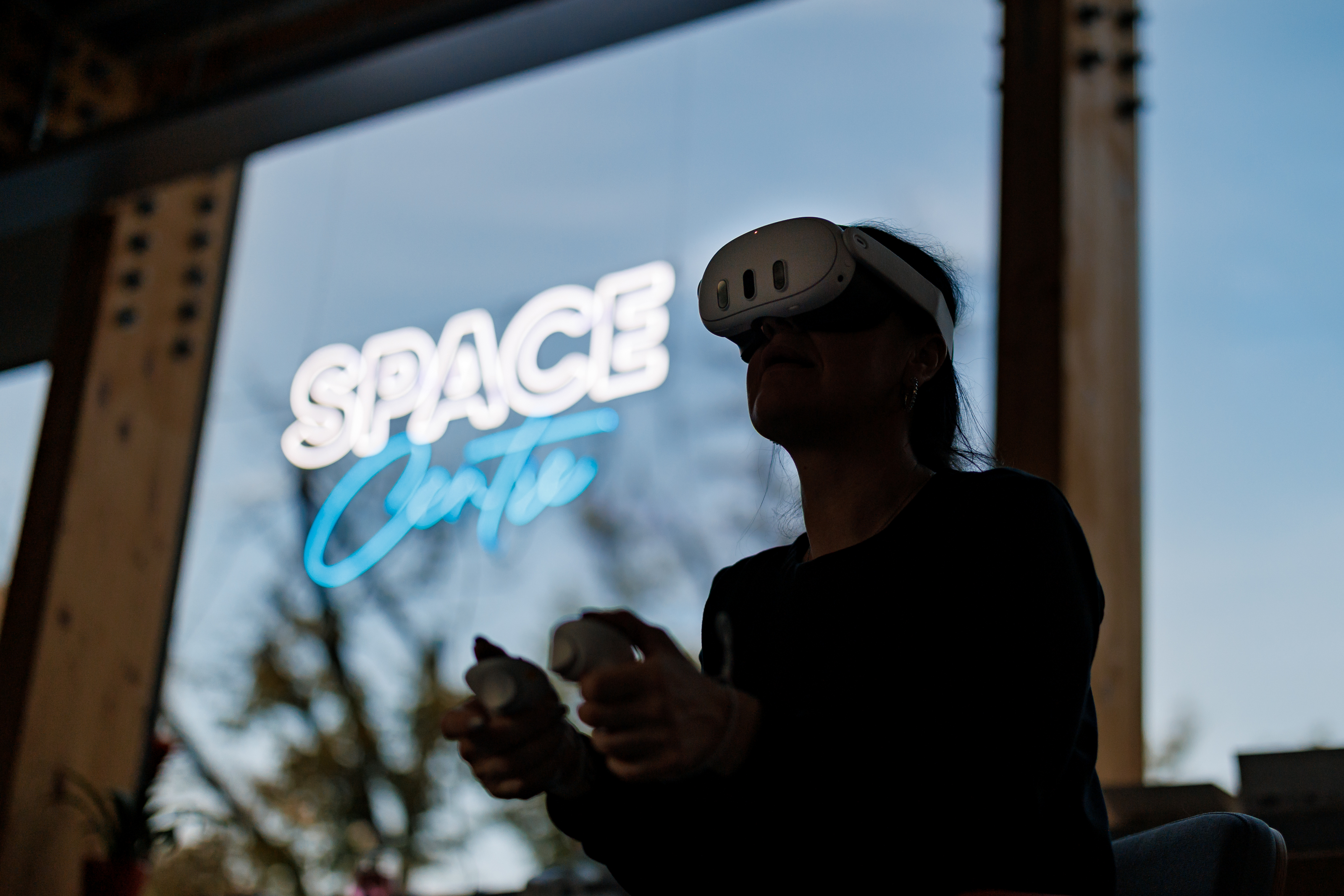
The SPACE Centre aims to promote collaboration with external stakeholders, driving sustainable societal transformation and fostering deeper connections between universities and communities, including government, NGOs and businesses. Its activities emphasise developing social solutions in diverse areas, and creating a shared cultural platform to exchange diverse experiences and expertise.
By harnessing the collective expertise of its member institutions, the Centre is well-positioned to create meaningful impact in society and inspire long-lasting transformation.
The SPACE Centre is divided into two main branches:
- The Social Impactors (SI): dynamic teams, similar to think tanks (or, more accurately, “think and do tanks”), gathering Alliance experts, practitioners and other relevant stakeholders, that mobilise the Alliance’s expertise to address socio-economic challenges and connect universities and stakeholders by developing service-to-society activities
- The Culture Hub (CH): a collaborative initiative aimed at celebrating and deepening understanding of the diverse cultures within the Alliance. By promoting integration, inclusion, multilingualism, and mutual respect, this hub fosters intercultural collaboration
Led by Ieva Zemīte from the Latvian Academy of Culture (LAC), the SPACE Centre’s co-leadership team also comprises Paula Pinto from the Santarém Polytechnic University (IPS, Portugal), Alessia Tressoldi from the University Francisco de Vitoria (UFV, Spain), and Svetlana Buko from Carinthia University of Applied Sciences (CUAS, Austria).
Where are we, one year in?
Social Impactors (led by Marika Gruber & Mélissa Pebayle, CUAS):
In this first year, the main goals of the Social Impactors team were to reach a common framing of the four agreed-upon SI topics and identify relevant stakeholders, paving the way for the formal establishment of the Social Impactors in January 2026. To do so, the CUAS team elaborated a workshop, inviting staff and students to share their expertise and perspectives on the topics. This workshop was then replicated across all eight partner universities, and the results were gathered and analyzed by a transnational and interdisciplinary interpretation team. Following this analysis, a common basis of the concepts was agreed on, and the Social Impactors were worked out into the following topics:
Culture & Diversity
Social Well-Being
Respect & Dignity
Gender Equity
The work plans of each Social Impactor, describing their functioning, conceptual framework, common understanding of the topics, and team members, are being finalised for the official establishment at the end of the month.
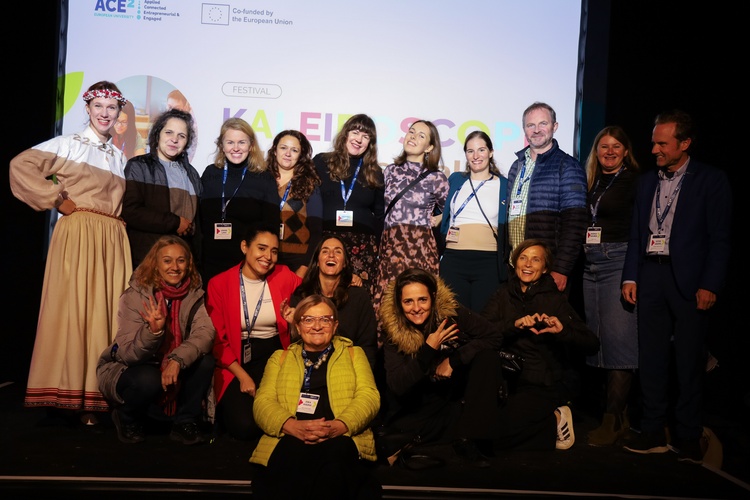
Another highlight of 2025 was the co-creation and co-facilitation of a Social Impactors workshop for students at the Kaleidoscope Culture Festival in October 2025 (see below) on “The plurality of culture(s): Challenging existing stereotypes – performing new understandings”, by colleagues from the University Goce Delcev (UGD, North Macedonia), Gdansk Medical University (MUG, Poland), and CUAS.
Finally, a handbook for the Change Maker Ambassador Programme was developed. This programme will provide a training framework for students and staff of the alliance to become social change agents, focusing on equipping participants with knowledge of existing best practices and innovative ways to address societal issues.
Kaleidoscope Culture Festival (led by Ieva Zemite, LAC):
Back in October, the Culture Hub organised its first Kaleidoscope Culture Festival in Ingolstadt, Germany, under the theme “The Voices of Europe today”, alongside its Annual Congress.
The first Kaleidoscope Culture Festival demonstrated the scale and potential of this initiative. Over the course of three days, the festival featured 55 cultural events from workshops to exhibitions, performances (dance, music, theatre, skits, etc.), a trivia quiz engaging 118 participants from 9 universities, and reached an audience of more than 300 attendees.
Survey results confirm that all respondents (100%) reported being motivated to apply the skills and knowledge gained during the festival to other areas of their lives, such as studies, community engagement, or work. In addition, a strong majority of participants reported personal growth through direct intercultural contact, highlighting the festival’s transformative potential. Participants also expressed increased confidence in respectful intercultural interaction and recognised the link between shared cultural experiences and inclusive environments.
The second edition of the Kaleidoscope Festival will be hosted by the University Constantin Brancusi, in Romania, in October 2026. Preparations will start shortly to determine the theme, prepare a call for student contributions, etc.
Culture Traineeship Programme for Staff (led by Alessia Tressoldi, UFV):
This programme from the Culture Hub, gathering four staff members from each partner university, aims to strengthen intercultural competence for academic, administrative and support staff working in an international and intercultural environment. A handbook has been written, describing the goals, methodology and structure of this training, which is based on the SUCTI (Systemic University Change Towards Internationalisation) model, an Erasmus+ initiative that ran between 2016 and 2019. The first training will take place on 23-26 February 2026 at UFV in Madrid. The workshops are organised and run by Alessia Tressoldi (UFV), Ieva Zemīte (LAC) and Gerlinde Koppitsch (CUAS).
Student Volunteering Programmes (led by Paula Pinto, IPSSantarém ):
These programmes allow ACE students to participate in an 8-day volunteering opportunity at an external partner of one of the Alliance universities. Both the Social Impactors and Culture Hub Volunteering Programmes are currently being set up, with external stakeholders already secured for both strands. In total, external stakeholders from the whole Alliance are offering 27 different opportunities for more than 100 students. A handbook was created to describe the principles and functioning of the programmes, and a MOOC (Massive Open Online Course) is being prepared to onboard students that will participate.
What to expect in 2026?
This year also promises to be a busy one at the SPACE Centre. After a first milestone with the official establishment of the four Social Impactors in January, the first series of three Social Impactors Knowledge Creation Team Workshops (SI KCTW) is planned before October, and the pilot of the Change Maker Ambassador programme will take place at LAC (Latvia) in April, accompanied by a Train-the-Trainer course in IPS (Portugal) in July.
In addition, the Volunteering Programmes will be launched across the Alliance throughout the year, and the pilot edition of the Culture Traineeship Programme for Staff is set for February at UFV (Spain), as described above. Furthermore, the Culture Hub’s first inclusion and multicultural awareness campaign has been running since December 2025.
Finally, and as mentioned above, the second Kaleidoscope Culture Festival will take place in Târgu Jiu (Romania), in October, alongside the ACE²-EU Annual Congress.
More about:
The SPACE Centre: The Latvian Academy of Culture, in Partnership with Eight European Universities, to Launch the Societal Partnerships and Cultural Engagement Centre and The First ACE²-EU SPACE Centre In-Person Meeting: A Milestone for Collaboration and Growth
The SPACE Centre’s Inauguration: SPACE Centre – a new physical space created to foster collaboration and connection between universities and society, was officially opened
The Kaleidoscope Festival: The First Kaleidoscope Festival
The first Culture Hub awareness campaign: Voices of Multiculturalism: A New Campaign Highlighting Our European Community
Funded by the European Union. Views and opinions expressed are however those of the author(s) only and do not necessarily reflect those of the European Union or the European Education and Culture Executive Agency (EACEA). Neither the European Union nor EACEA can be held responsible for them. Project 101177596. The ACE²-EU project is co-financed by the Ministry of Culture of the Republic of Latvia.